Summary
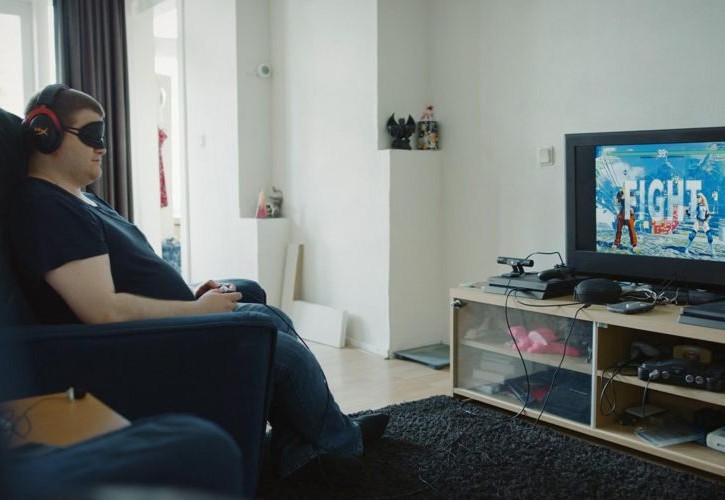
Over the last 15 years, accessibility in gaming has significantly improved, but these advancements are vulnerable to industry turbulence. There's a substantial, untapped market of visually impaired gamers, and the demand for visually accessible games is expected to grow with an aging gaming consumer base. To understand this gap, my research used interviews and participatory design sessions to explore the impact of disabilities on gaming and the potential of AI assistance. The findings stress three critical requirements for inclusive gaming: deep personalization, human connection, and the responsible, reliable implementation of AI. This points to actionable steps for developers, who must clarify feature effects, make accessibility more obvious, and only use AI when it provides genuine value while transparently communicating any uncertainty.
Role
UX Researcher
Team
3 Researchers
Timeline
January 2025 - May 2025
Tools
Dedoose, Zoom, Google Docs, Descript
Methods
Interview, Participatory Design
Design
Persona, Storyboarding